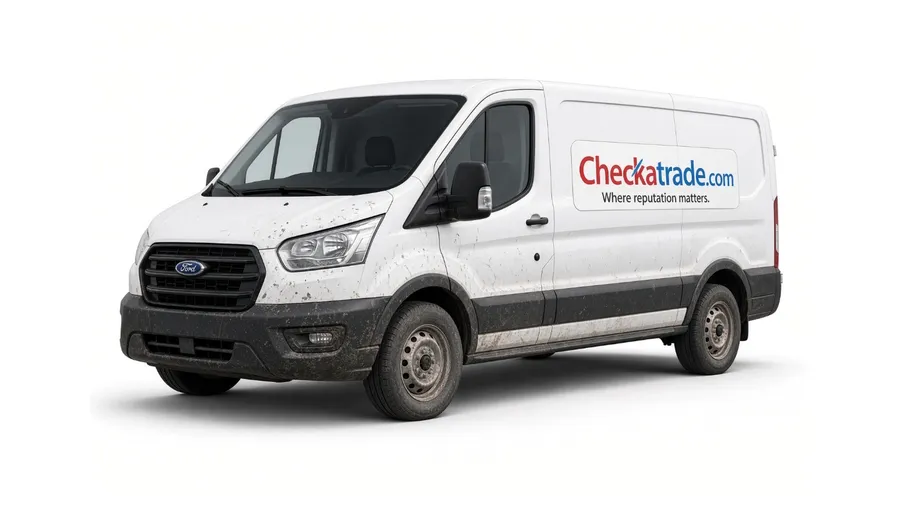
How Cowboys Beat the 12-Point Check
Partner’s ID, a new company with an old trading name, and cloned van branding still get past directory vetting. Honest trades wear the reputation. A page you own, with real photos and a matching email, is the bit a cowboy cannot copy for long.

The tick on the van is sold as twelve checks. ID. Address. Insurance. Credit. Reviews. The homeowner reads “vetted” and stops looking. Then the job goes wrong and the first person they blame is every tradesman on the same list.
That is the part that sticks in the throat if the work is actually good. Someone else beat the form. You still pay the social cost.
The patterns that keep turning up
None of this is a secret handshake. It is in the papers.
A nurse in Stoke paid £4,000 up front for a roof. The builder had used a partner’s identity to get onto Checkatrade. The roof came off. The repair bill was £13,000. Checkatrade said he had tried to circumvent vetting and that they turn thousands of applicants away each year. Both things can be true. One slip is enough.
The Guardian found a listed roofer who had been jailed for violent assault and still had a county court judgment. The company was months old. The profile talked about decades of experience. Checkatrade called it a rare human error that skipped two of the twelve checks. The advertised guarantee often tops out at £1,000.
The BBC followed a Leeds man on MyBuilder who ran several profiles and names. Payments went into other people’s accounts. Insurance paperwork did not match the business. One kitchen customer paid £9,000 up front and got a day’s damage. Profiles took weeks to come down.
A third pattern sits on forums more than on the news. A real firm’s name, logo and van livery get copied. The reviews the homeowner reads belong to someone else. The phone number on the leaflet does not. Distance is the giveaway. A driveway firm from Tunbridge Wells does not usually knock in North Wales.
New company, old trading name. Fresh Companies House number, same van signwriting, same “family firm since 1998” line. The directory sees a clean file. The street sees a name it already trusts.
Why the form still loses
The CMA told trader sites in 2024 to vet properly, keep watching after sign-up, and stop loose “trusted” claims. The Digital Markets, Competition and Consumers Act from April 2025 made fake reviews and misleading vetting copy a sharper problem. In May 2026 the CMA wrote to platforms again.
Checks still happen at the front door. The cowboy works the side door. A partner’s papers. A company that did not exist last spring. A cloned brand. Multiple profiles on a site that is slower to join them up than it is to take a fee.
Honest trades then get asked, in the pub and on the doorstep, whether “you lot on Checkatrade” are safe. That question is not fair. It is also not going away while the badge is the main proof a homeowner is offered.
The thought that usually arrives next is ugly and practical. If the checks can be beaten, why pay for the badge at all. Some months the leads still cover the fee. Some months they do not. Either way the reputation cost is shared. The cowboy pockets the deposit. The honest firm spends the next year explaining that “vetted” was never the same as “known”.
What an honest firm can put in front of people
A directory listing can stay if it still pays. It should not be the only place a neighbour can check who you are.
A one-page site on a domain you own does a different job. Real name. Real area. Photos of jobs that exist, taken on a phone if they are sharp. A number that rings you. A form that still takes a message at 9pm. That page does not get swapped for a partner’s ID at 2am.
The email matters as much as the page. A professional address that matches the business looks like a firm. People remember it. Those customers sit on your domain, not on Gmail and not on the directory. A cowboy cloning a van does not get that inbox. Stock photos and a borrowed trading name fall over the moment someone asks for last month’s job around the corner.
Claim the Google Business Profile. Put the same name, number and site on a Facebook page. When someone in a local group asks “is this lot real?”, there is a trail that is hard to fake in an afternoon.
The four-part version of that setup is here: How Tradesmen Can Escape Checkatrade and MyBuilder. The wider 2026 picture on fees and rules is here: The Directory Badge Is Not a Guarantee.
Do not become the internet police
Nobody needs a second job chasing every rogue on a platform. Trading Standards and the police exist for the criminal end. The useful move for a working tradesman is smaller. Look like the firm you already are, in a place you control, so the next homeowner has something to compare with a shiny tick and a three-month-old company.
OnePageSites builds that page. Fixed process. No evening lost to hosting and plugins. Simple sites from £10 a month. The site, the domain and the email belong to the business.
Have a look at the Examples. If the next customer should be able to find you without trusting a badge that someone else already beat, Get in Touch.